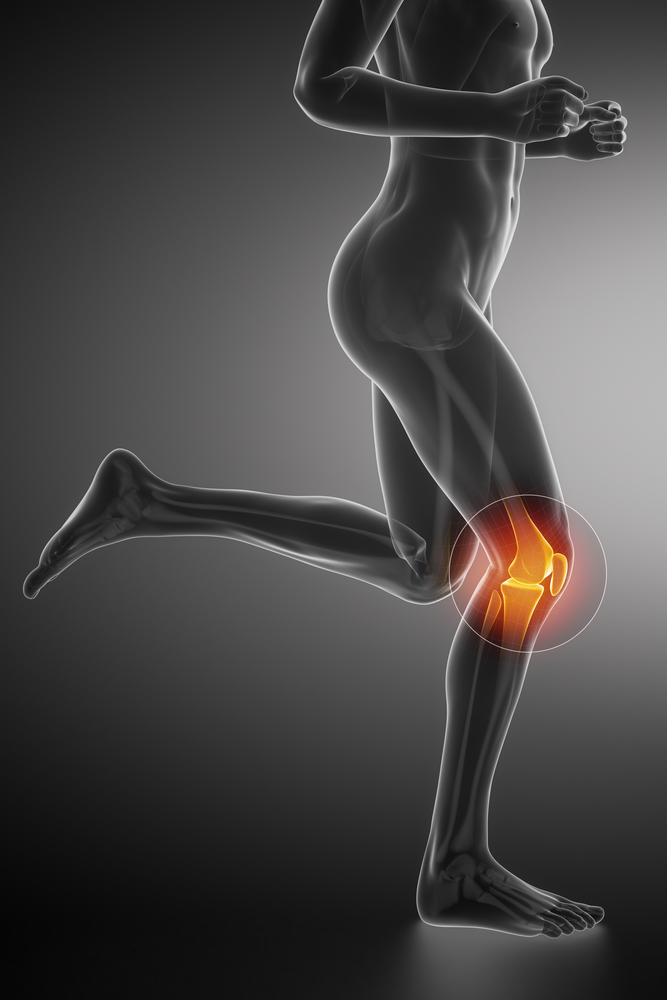
 Do you have pain above your knee or at the knee joint during or after working out or performing repetitive actions? Is there swelling around the knee, or does it feel warm to the touch? You may have quadriceps tendinitis.
This type of injury tends to develop slowly over time and with continued intense use of the lower body.
If you suffer from knee pain and inflammation caused by tendinitis, Dr. Cody Doyle can help. He has over two decades of experience successfully treating patients with chiropractic therapy for tendinitis.
What causes quadriceps tendinitis?
Tendinitis can occur in any tendon, but it’s very common in the quads.
You may be familiar with the quadriceps, or quads for short. It is the muscle group on the front of the thigh. The muscles in the quads engage any time you use your leg, such as when walking, running, or kneeling.
The quadriceps tendon connects the muscles to the kneecap, clinically called the patella. Overuse of the quadriceps with repetitive activity can damage the tendon and cause pain, as well as inflammation.
Extrinsic factors that lead to quads tendinitis include:
- working out too hard or too long,
- improper workout settings,
- or improper footwear.
Quadriceps tendinitis is commonly seen in athletes who regularly or repetitively cycle, run, kick, or squat.
As for intrinsic factors:
- skeletal alignment issues can contribute to tendinitis.
- Advanced age,
- being overweight,
- and inflexibility can also lead to quadriceps tendinitis.
People who value their workouts or sports activities may be frustrated by the limitations and pain tendinitis causes. Workouts, athletics, and even daily tasks may become difficult to perform.
A proper diagnosis of tendinitis and guidance in treating your condition can help reduce pain and allow the tendon to heal. You can also do some things at home to help, such as icing the area, taping it properly, or wearing a brace.
Q&A About Chiropractic for Tendinitis
- Do chiropractors help relieve tension in sore muscles?
Yes, and so much more. Tendinitis is actually not just sore muscles, it’s soreness of the tendon that attaches the quadriceps to the patella. Chiropractic treatment and acupuncture may reduce pain and help the healing process if you comply with Dr. Doyle’s professional advice.
- How to treat tendinitis without medication?
Some over-the-counter pain relievers, both topical and indigestible, can help reduce pain and swelling. However, if you don’t want to use pain relievers, Dr. Doyle can provide treatment without medication. He may advise applying ice, resting your knee, and performing very specific exercises at home.
- What causes tendinitis?
Good question! Tendinitis is usually caused by overwork or overuse of a muscle connected to the affected tendon. Stressing the tendon and associated muscle or muscle group can also occur when exercises are improperly performed. Another common issue is wearing shoes that do not provide sufficient support for the activity you perform.
- How long does tendinitis last?
With treatment and reduced stress, a tendon can heal in approximately two to four weeks, for most patients. If you don’t seek help and limit stress on the tendon, your condition will worsen.
Recovery may take longer to heal. Long-term tendinitis is called “chronic tendinitis.” This condition normally takes longer than six weeks for recovery.
How Dr. Doyle Can Help
Do you have pain in above your knee or around your kneecap?
If you are in the Roanoke or Trophy Club area, Doyle Chiropractic and Acupuncture can help reduce your pain. Dr. Doyle will perform a thorough physical exam and discuss your symptoms before developing a treatment plan.
After diagnosis, Dr. Doyle can explain the cause of your tendinitis. He can also teach you strengthening exercises you can do at home during your healing process.
Treatment may include chiropractic care, acupuncture, complementary therapies, physical therapy, or a combination. With his help, you can experience less pain and heal properly.
Dr. Doyle has successfully treated quadricep tendinitis in many patients. He can prescribe treatment for the painful tendinitis of the knee, hip, ankle, and leg. Using combined integrative alternative therapies, he can help you heal and recover.
Are you ready to feel better?
To learn how chiropractic can treat your tendinitis pain, call 817-767-5430 to reserve a consultation with Dr. Doyle today. Lori at the front desk will be happy to answer all of your questions and schedule your visit.